Full-Scale Construction Services for Any Assignment
Thorough building solutions are essential for the effective oversight of any building project. They facilitate smooth coordination across all phases, ensuring effective communication and collaboration among groups. This approach not only minimizes delays but also improves adherence to budgets and timelines. As parties involved seek superior results, understanding the different solutions available becomes increasingly vital. What particular factors contribute to a project's achievement, and how can they be effectively implemented?
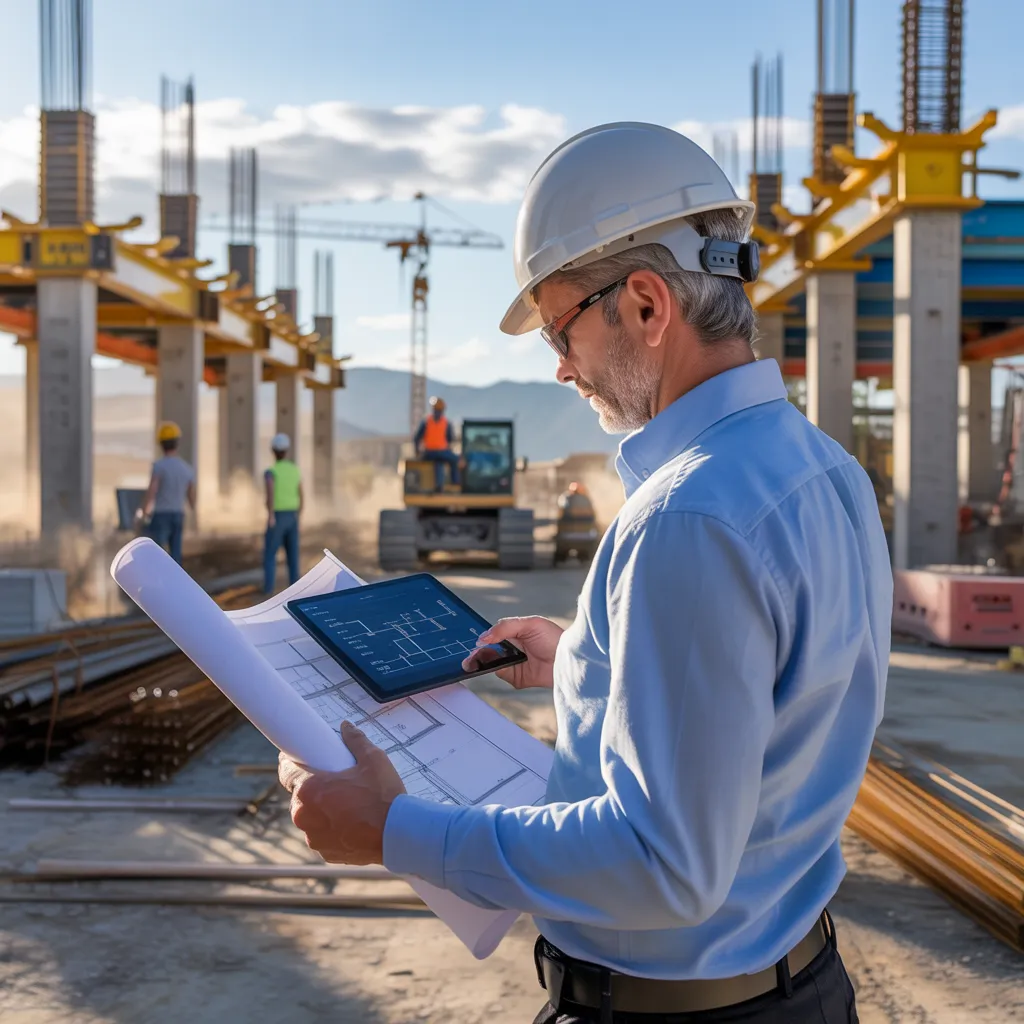
Why Full-Scale Construction Services Matter
Thorough construction services are crucial because they optimize the building process, guaranteeing that all stages of work are integrated efficiently. These services include a variety of activities, including planning, design, and execution, which support the overall success of an project. By coordinating multiple groups and assets, extensive construction services reduce the likelihood of misunderstandings and delays.
Moreover, they encourage compliance with timelines and similar article budgets, addressing potential issues proactively. This level of structure fosters a cooperative environment, allowing stakeholders to communicate openly and efficiently.
Additionally, comprehensive services ensure adherence with local regulations and safety standards, reducing risks associated with construction activities. Overall, the integration of thorough construction services improves project quality, leading in durable and sustainable outcomes. In an industry where precision matters, such services provide the necessary framework for achieving client satisfaction and meeting project goals.
Vital Residential Construction Services for Property Owners
Property owners working to upgrade their living spaces can gain substantial advantages from crucial construction services customized for their specific needs. These services encompass a range of offerings, such as remodeling, renovations, and repairs, which permit homeowners to convert outdated areas into up-to-date, efficient spaces. Kitchen and bathroom remodels often generate significant returns on investment, improving both aesthetics and utility.
In addition, outside maintenance such as siding and roofing repairs ensure the property remains protected and visually attractive. Landscape design and outdoor living upgrades establish welcoming environments for entertainment and leisure.
Homeowners can gain from energy-efficient upgrades, which decrease utility costs while supporting sustainability. By engaging qualified experts, homeowners can work through the complexities of construction projects with ease, securing adherence to local regulations and timelines. Overall, these vital offerings equip homeowners to attain their visions, ultimately enhancing property value and quality of life.
Primary Solutions for Commercial Building
Throughout commercial construction, strategic project management and optimal material sourcing represent fundamental elements. These services ensure that projects are completed on time and within budget while maintaining high standards. Grasping their relevance can support more accomplished construction outcomes.
Project Management Proficiency
Throughout the traversal of commercial construction dynamics, effective project management expertise becomes required to accomplish timely delivery and budget adherence. Skilled project managers function in directing different aspects of a construction project, including scheduling plans, resource allocation, and team coordination with stakeholders. They use innovative approaches to prevent risks and adapt to sudden changes, ensuring that projects move ahead successfully. By using digital platforms and performance data, project managers can improve planning outcomes, optimizing efficiency and productivity. In addition, their ability to foster collaboration among contractors, architects, and clients is vital for aligning expectations and achieving project goals. At the end of the day, strong project management expertise acts as the cornerstone of successful commercial construction undertakings, driving projects from conception to delivery with precision.
Superior Material Sourcing
Quality material sourcing is a essential component in the landscape of commercial construction, directly affecting project longevity and overall success. Effective procurement involves selecting high-quality materials that meet specific project requirements while adhering to budget constraints. This process often demands building strong partnerships with reliable suppliers to guarantee timely delivery and consistency in quality. Additionally, understanding local regulations and sustainability practices plays an essential role in sourcing decisions. By prioritizing quality materials, construction firms can enhance building strength and reduce long-term maintenance costs. Ultimately, a focus on quality material sourcing not only supports a project's immediate goals but also contributes to its longevity and resilience in a competitive market.
Determining the Finest Construction Services for Your Project?
When opting for construction services, it is vital to define project specifications precisely to guarantee conformity with goals. Examining the qualifications of prospective contractors further enhances the probability of a positive result. Careful consideration of these factors can result in a more efficient and effective building process.
State Project Requirements Explicitly
Clearly establishing project requirements is essential for choosing the most suitable construction services. This includes determining particular project goals, timelines, financial allocations, and required resources. A well-articulated statement of work helps ensure that all stakeholders have a shared understanding of expectations. Additionally, detailing any compliance standards or location-based factors can avoid potential delays and communication breakdowns during the building phase. By setting clear criteria upfront, construction coordinators can effectively communicate their needs to potential service providers, allowing for more strategic choices. Ultimately, comprehensive records of project requirements not only streamlines the evaluation phase but also establishes the groundwork for successful project execution and minimizes the risk of expensive modifications later on.
Examine Service Provider Qualifications
How can project managers guarantee they choose the most qualified building contractors? Evaluating the qualifications of prospective service providers is essential. This process begins with reviewing each provider's portfolio, which displays past projects and relevant background. Project managers should also confirm permits, credentials, and coverage to validate compliance with industry standards. Gathering references and customer feedback can provide understanding into a provider's dependability and craftsmanship. Additionally, conducting consultations enables project managers to assess communication skills and understanding of project requirements. Comparing bids not only on cost but also on scale, schedules, and standards can additionally assist in selection. In the end, a comprehensive evaluation of contractor qualifications establishes the foundation for effective project execution and satisfaction.
Improving Your Construction Project Successfully
Achieving efficiency in construction projects requires adopting a organized plan that minimizes delays and optimizes resource allocation. Effective communication among team members is essential, ensuring that everyone remains aligned with project goals and timelines. Utilizing project management software can improve workflows, allowing for real-time updates and task tracking.
In addition, using a phased approach enables teams to direct attention toward specific project segments, decreasing the likelihood of competing efforts that can cause disorder. Regular progress assessments and modifications based on performance metrics help identifying likely constraints in advance.
Setting distinct roles and responsibilities encourages accountability, compelling teams to meet deadlines without compromising quality. Furthermore, undertaking proactive risk management readies teams for unpredictable challenges, enabling swift responses that keep projects on track. By weaving in these strategies, construction projects can achieve greater efficiency, reducing costs and boosting overall outcomes.
Promoting green practices in construction not only enhances project quality but also lessens environmental impact. By implementing sustainable materials and techniques, building contractors can significantly lower energy waste and material usage. This approach not only satisfies legal compliance standards but also appeals to environmentally conscious clients.
Employing renewable resources, such as bamboo or recycled metals, advances durability while reducing carbon footprints. Additionally, deploying energy-efficient technologies, like solar panels and advanced insulation, provides long-term operational savings and improved building performance.
Working with environmentally certified professionals significantly enhances project standards, guaranteeing adherence with sustainability benchmarks.
Additionally, developing a waste handling system during the construction timeline can facilitate procedures, reducing costs and environmental harm.
In the final analysis, a dedication to environmental sustainability in construction cultivates high-quality projects that influence both stakeholders and the community, solidifying a legacy of principled building practices. Such determination not only strengthens the reputation of construction firms but also enhances a healthier planet.
Regular Asked Questions
What Are the Projected Lengths for Building Projects?
Typical periods for construction work differ greatly, typically extending from a few months to several years. Factors influencing duration comprise project size, complexity, permit acquisition, environmental conditions, and resource availability, shaping overall delivery timeline.
What Should I Do About Unexpected Construction Delays?
To manage unexpected construction delays, one should evaluate the circumstances, communicate with stakeholders, adjust timelines, and explore solutions. Flexibility and proactive planning can mitigate impacts and keep the project on track despite setbacks.
What Permits Are Necessary for Development Projects?
Construction endeavors necessitate various permits, comprising structural, electrical, water, and land use permits. The particular specifications depend upon area ordinances, undertaking scale, and geographic area, requiring consultation with municipal officials for regulatory adherence and expert direction.
What Methods Are Used to Administer Project Budgeting Across Building Projects?
Project budgeting is overseen through continuous monitoring of expenses, updating forecasts based on genuine expenses, and maintaining communication among stakeholders. This assures alignment with financial goals and timely identification of potential overruns or savings.
What Safety Guidelines Are Utilized on Development Sites?
Construction sites utilize numerous protective strategies, including regular safety training, use of protective gear, prominent notices, site inspections, emergency protocols, and adherence to guidelines to decrease dangers and guarantee the safety of staff members.